
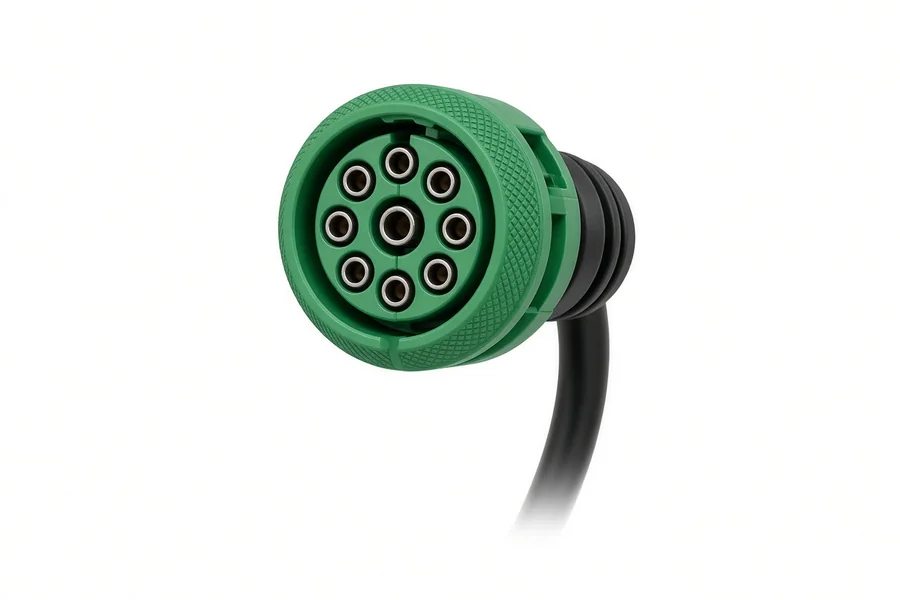
 9-pin
J1939 diagnostic
A harness for the familiar round DEUTSCH-style heavy-truck diagnostic port. Connector keying and supported network speeds vary by vehicle.
CAN bus 1 and CAN bus 2. Built-in GPS reads your unit’s location. The ELD has no cellular modem; a connected phone or dedicated tablet sends its data to ELD Factory.
Explore the connections ↓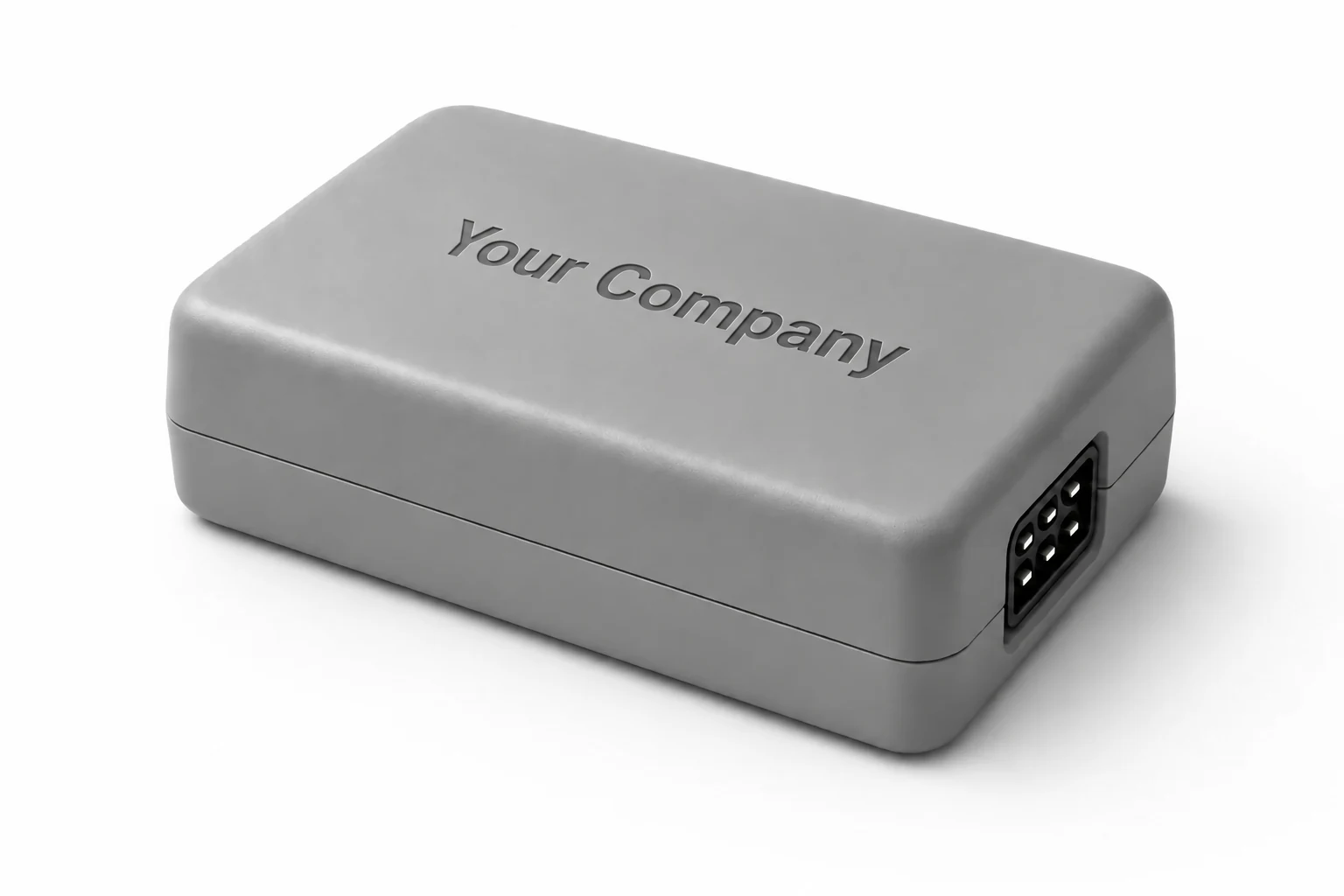
The device-side six-pin Molex connection is separate from the vehicle's diagnostic or accessory port. The harness adapts between them.
9-pin
A harness for the familiar round DEUTSCH-style heavy-truck diagnostic port. Connector keying and supported network speeds vary by vehicle.
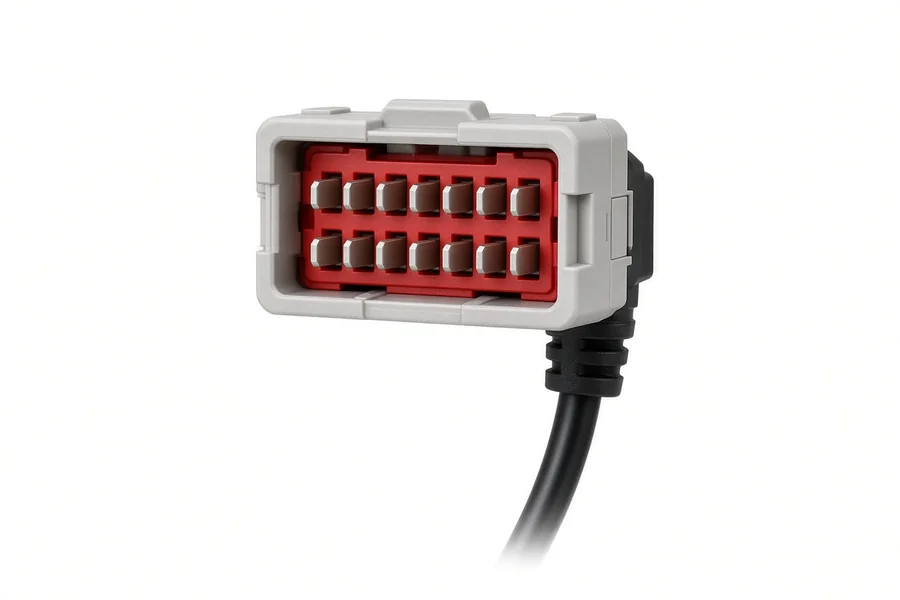 RP1226
A harness for a dedicated telematics/accessory port. Some trucks expose two CAN networks through this connector.
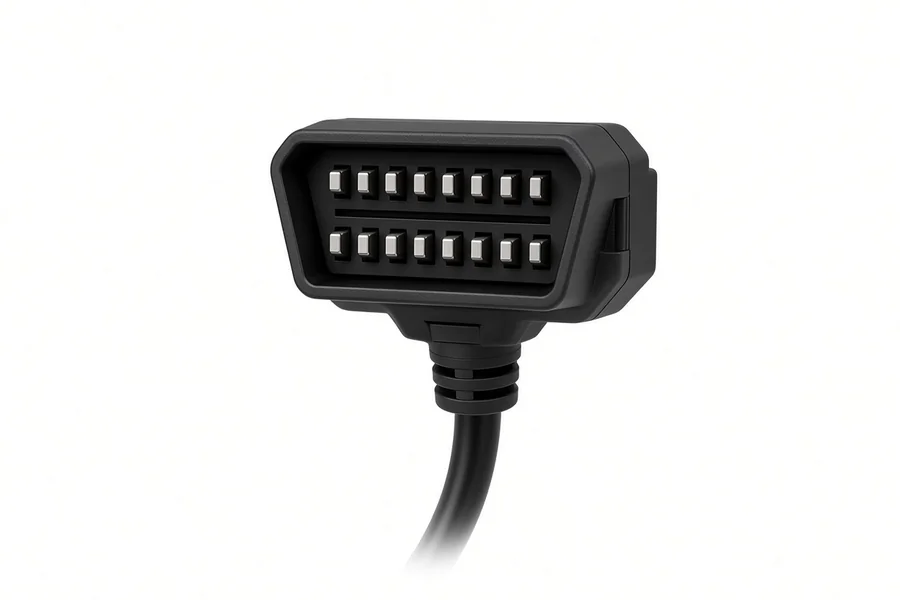 16-pin
A harness for the SAE J1962 connector format. The port's shape alone does not establish the protocol or data available from the vehicle.
Confirm the harness, pinout, supply requirements and vehicle compatibility before installation. A six-pin device port is not the same as a truck-side six-pin diagnostic connector.
One per-asset fee includes the hardware lease, ELD service, hosted backend and shared ELD Factory mobile apps.
Your team manages its people, assets and records in its own workspace. ELD Factory provides the technical platform.
Use ELD Factory’s apps for iPhone and Android phones, with tablet support. Store links will be published on the Apps page.
If anything goes wrong with your leased device, we provide a replacement.
As we introduce improved ELD Factory hardware, your lease includes replacement with the newer technology.
We ship replacements via UPS 2nd Day Air or FedEx 2Day to any location in the lower 48 United States.
Return your leased hardware within 90 days after your service cancellation takes effect.
Two-day shipping refers to the carrier’s two-business-day service. Hardware is leased and must be returned after cancellation. Read the service and hardware terms ↗
The existing Annex Orbis device and tablet platform has been tested with live vehicle data, including air pressure, voltage, brakes, blinkers and wipers.
The primary CAN receive path supplies decoded vehicle readings and its own channel status.
A second implemented receive path feeds the same vehicle-data decoder and has separate status and counters.
Both CAN channels are implemented. Which signals appear on either channel depends on the truck, its ECUs and the harness.
| Vehicle information | Vehicle readings |
|---|---|
| Identity & operation | VIN, vehicle speed, engine RPM, engine hours and odometer. |
| Fuel & fluids | Fuel level, DEF level, fuel rate and fuel used. |
| Electrical & temperatures | Battery voltage, coolant temperature, oil temperature and intake temperature. |
| Brakes & controls | Brake-pedal and parking-brake states, gear, accelerator and cruise-control status. |
| Lights & wipers | Turn signals, headlights and windshield-wiper states. |
| Pressure | Oil pressure, boost pressure, primary and secondary air pressure, and brake-application pressure. |
| Faults & diagnostics | J1939 DM1 fault lamps and active fault-code information. |
| Connection health | Separate channel activity, frame counters and status for CAN1 and CAN2. |
Readings appear only when supported data is received. Missing or stale values are unavailable, rather than a zero reading. Air pressure, voltage, brakes, blinkers and wipers have been tested on the existing platform. Vehicle-specific fields depend on the supported make, model and configuration.
A live gauge, a troubleshooting capture and an ELD record serve different purposes. Keeping them distinct preserves the meaning of each.
Reference software signs and stores captures locally, including while the phone is disconnected. Ordered replay supports reconnection; a verified, signed server receipt governs release of acknowledged journal storage.
The tablet console can display decoded vehicle readings and channel health. This live telemetry is unsigned and is not a replacement for the canonical ELD journal.
The reference board's optional raw capture uses a bounded 512 KiB diagnostic buffer, separate from the signed journal. Final General ELD storage capacity has not been specified.
Local recording depends on power, available storage and a provisioned signing identity. ELD Factory hardware uses built-in GPS to read the unit’s location. It has no cellular modem; a connected phone or dedicated tablet relays device data to ELD Factory. The complete recording, offline, inspection and transfer workflow still requires integration and qualification.
The current software decodes J1939 traffic and certain observed 29-bit OBD-over-CAN responses. Normal operation does not actively poll OBD values or send ISO-TP flow-control messages. A vehicle that needs active requests may not expose those readings through this implementation. J1708 reception is not currently implemented.
Connect vehicle data from CAN bus 1 and CAN bus 2 with the location of your unit from built-in GPS. Your phone or dedicated tablet provides the connection to ELD Factory; the ELD itself has no cellular modem.
The current ELD Factory app provides administration and manual records. Operational recording and public app-store releases remain in development.
Discuss your fleet's hardware needs ↗